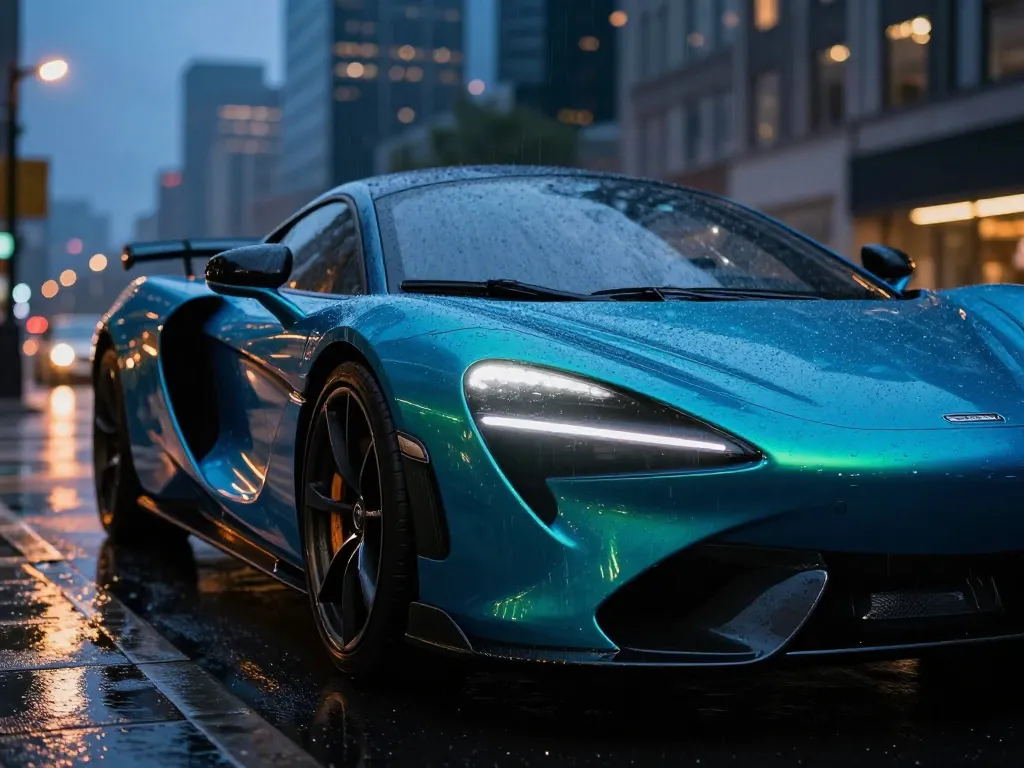
Understanding PPF Winter Road Salt Protection
Winter weather can wreak havoc on our vehicles, particularly in regions that experience heavy snowfall and road salting. Protecting your investment from the damage caused by winter road conditions has never been more important. One effective solution is the application of a Paint Protection Film (PPF). This specialized coating serves as a barrier against harmful elements, including road salt, which can lead to corrosion and deterioration of your vehicle's surface. PPF winter road salt protection offers peace of mind for car enthusiasts and everyday drivers alike, ensuring your vehicle's exterior remains as pristine as possible throughout the harsh winter months. In this article, we’ll delve deep into the nuances of PPF, explore how road salt impacts vehicles, and why protection is crucial during the winter season.
What is PPF and Its Benefits?
Paint Protection Film (PPF) is a transparent, durable polymer film applied to a vehicle's exterior surfaces, offering superior protection against abrasions, chips, and adhesive residues. Here are some key benefits:
- Durability: PPF is engineered to resist yellowing, scratching, and other forms of degradation, making it one of the most durable protective options available.
- Self-Healing Properties: Many modern PPFs feature self-healing technology, allowing minor scratches and swirl marks to disappear with heat.
- UV Protection: It helps shield the paint from harmful UV rays that can cause fading and oxidation over time.
- Enhances Resale Value: By protecting the paint, PPF can help maintain the vehicle's appearance and, consequently, its resale value.
How Road Salt Affects Vehicles
Road salt, commonly used to melt ice and snow, can significantly impact a vehicle's health. While it may prevent accidents due to icy roads, it also facilitates corrosion, leading to costly repairs. Here's how:
- Corrosive Nature: Road salt is hygroscopic, meaning it attracts moisture. When combined with road grime and dirt, it forms a slurry that can cause rust and paint damage.
- Long-term Damage: Even if the vehicle appears unscathed on the surface, the ongoing exposure to road salt can silently deteriorate metal components under the exterior.
- Impact on Undercarriage: Most road salt accumulation occurs in the undercarriage, which can lead to rotting and rusting of critical structural components.
Importance of Protection in Winter
With the understanding of how harmful road salt can be, it becomes evident why protective measures are necessary. Applying PPF provides an additional layer of security against winter's aggressions, effectively preventing potential damage before it occurs and preserving the vehicle's aesthetic quality.
Choosing the Right PPF for Your Vehicle
Types of PPF Available
When selecting PPF, it's crucial to understand the various types available on the market:
- Self-Healing PPF: This advanced type of film can heal minor scratches with heat exposure, making it a popular choice among drivers looking for a long-lasting solution.
- Matte Finish PPF: Ideal for those who prefer a matte finish, this version maintains the car's original look while offering similar protection as a gloss PPF.
- Clear Bra: This is a traditional form of PPF designed specifically for high-impact areas, such as hoods and bumpers, providing maximum protection in vulnerable spots.
Factors to Consider When Selecting PPF
Several factors can influence the effectiveness and suitability of the PPF you choose:
- Durability: Look for PPF that can withstand harsh weather conditions and has a long lifespan.
- Clarity: Ensure the film is crystal clear and doesn’t distort the vehicle's original finish.
- Thickness: Thicker films generally offer more durability but may be more challenging to install.
- Warranty: A reputable provider should offer a warranty, indicating the product’s quality and manufacturer confidence.
Common Myths About PPF
With the rise of paint protection technologies, several misconceptions have emerged surrounding PPF:
- Myth 1: PPF alters the car’s color.
- Myth 2: All PPF is created equal.
- Myth 3: PPF is only for new cars.
Understanding these myths can help vehicle owners make informed decisions and avoid common pitfalls.
How to Apply PPF for Optimal Protection
DIY vs. Professional Installation
While applying PPF may seem simple, the choice between DIY installation and professional application can significantly impact results. Professional installers possess experience, training, and specialized tools that ensure precise fitting and finish. Conversely, DIY can save money but may lead to imperfections if not done carefully.
Step-by-Step Guide to PPF Application
If you opt for the DIY route, follow this step-by-step guide:
- Prep the Surface: Thoroughly wash and dry the vehicle's surface, removing any dirt, wax, or grease.
- Measure and Cut: Measure the areas you wish to cover and cut the PPF accordingly, leaving excess for adjustments.
- Align and Install: Carefully position the film and apply a solution of water and soap to aid movement and prevent bubbling.
- Squeegee Out Air: Utilize a squeegee to press down the film and push out any trapped air bubbles.
- Trim Edges: Trim any excess film for a clean finish and ensure proper adherence.
Post-Installation Care Tips
After successful PPF application, take these steps for optimal maintenance:
- Wait at least 48 hours before washing the car to allow the film to fully adhere.
- Avoid waxing PPF to preserve its protective properties.
- Regularly wash the vehicle with a gentle car shampoo to maintain the film's clarity.
Maintenance for PPF During Winter Months
Cleaning and Care Procedures
Maintaining the integrity of PPF during winter involves specific cleaning protocols:
- Use a soft microfiber cloth to gently clean the surface and avoid scratching.
- Utilize a spray detailer specifically formulated for PPF to protect against road film buildup.
- Do not use abrasive materials or harsh chemicals that can damage the film.
Protecting PPF in Severe Weather
In severe winter conditions, consider additional steps to ensure the film’s longevity:
- Apply a protective sealant designed for PPF for extra defense against moisture and road salts.
- Consider storing the vehicle in a garage or covered area when possible to avoid prolonged exposure to harsh conditions.
Signs of Damage to Watch For
Be vigilant for these signs that may indicate PPF damage:
- Visible peeling or lifting at the edges of the film.
- Cloudiness or yellowing that suggests degradation.
- Increased susceptibility to scratches or abrasions on the surface of the film.
FAQs: PPF Winter Road Salt Protection
What is PPF winter road salt protection?
PPF winter road salt protection refers to the application of a protective film that shields vehicles from damage caused by road salt during winter conditions.
How long does PPF last?
High-quality PPF can last up to 10 years, depending on factors such as environmental conditions and maintenance practices.
Can I wash my car after applying PPF?
Yes, you can wash your vehicle after PPF installation, but it's best to wait for at least 48 hours to ensure proper adhesion.
Does PPF affect my vehicle's color?
No, when applied correctly, PPF is virtually invisible and enhances your vehicle's original color without altering it.
Can PPF be removed without damaging the paint?
Yes, PPF can be safely removed by professionals using specialized techniques, ensuring your car's paint remains intact.