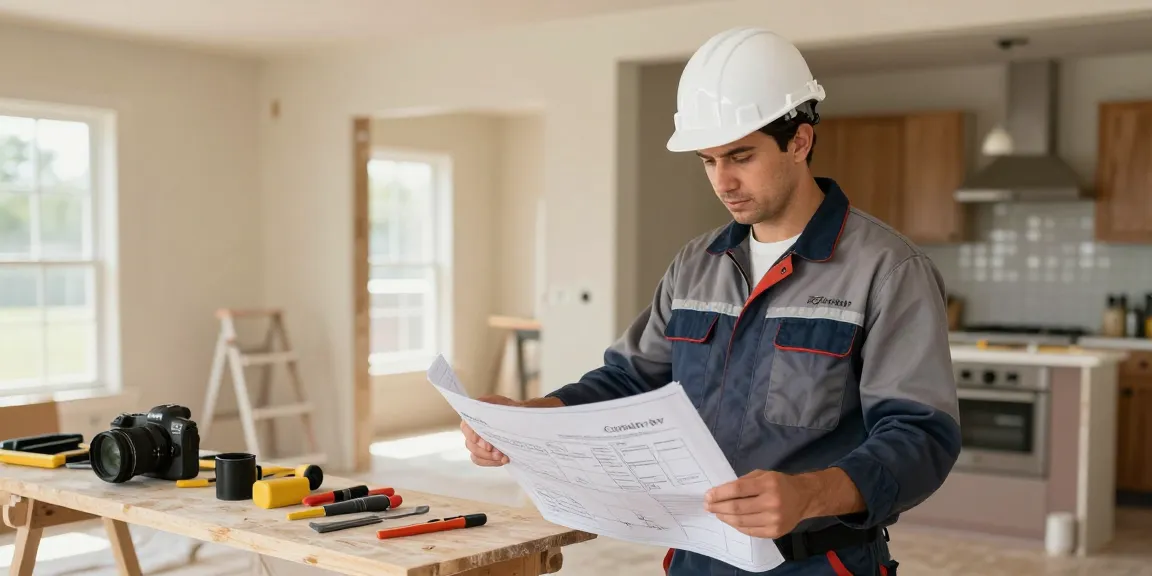
Understanding the Role of the New York City Construction Manager
The construction landscape in New York City is a dynamic and ever-evolving environment, integral to the city's growth and development. A pivotal player in this environment is the New York City Construction Manager, who serves as a vital link between project developers, contractors, and stakeholders. This article delves into the multifaceted responsibilities, challenges, and successes of construction managers in NYC, providing insights that can enhance project outcomes and elevate the standards of construction management.
Key Responsibilities of a New York City Construction Manager
The primary responsibilities of a New York City Construction Manager encompass a broad range of tasks essential for the successful completion of construction projects. These responsibilities can be categorized into different areas:
- Project Planning and Scheduling: Construction managers develop comprehensive project timelines, detailing each phase from pre-construction to completion. They utilize various project management tools to ensure that deadlines are met while considering resource allocation and potential setbacks.
- Budget Management: A crucial aspect of a construction manager's role is managing the project budget. This includes estimating project costs, securing funding, and monitoring expenses to prevent cost overruns.
- Quality Control: Ensuring that all construction activities meet the required safety and quality standards is paramount. Managers implement quality control processes and conduct regular site inspections.
- Collaboration and Communication: Managing a construction project requires seamless communication among architects, contractors, and clients. Construction managers serve as the central point of contact, ensuring that all parties are aligned with the project's goals.
- Regulatory Compliance: Navigating the complex regulatory landscape of New York City is essential. Construction managers must ensure compliance with local laws, zoning regulations, and safety standards.
Skills Required for Successful Project Management
To excel in their role, New York City Construction Managers must possess a diverse skill set that enables them to handle various challenges. Key skills include:
- Leadership Skills: Being able to motivate and guide teams through various phases of a project is essential for meeting deadlines and maintaining morale.
- Problem-Solving Abilities: Challenges are inevitable in construction projects. Successful managers must think on their feet and develop innovative solutions to unexpected problems.
- Technical Knowledge: An understanding of construction processes, materials, and technologies is vital. This technical knowledge allows managers to make informed decisions and communicate effectively with technical teams.
- Negotiation Skills: Managers often negotiate contracts with vendors, contractors, and clients, making strong negotiation skills essential for obtaining favorable terms.
- Financial Acumen: Understanding construction finances, including budgeting and financial reporting, is crucial for managing project costs effectively.
The Importance of Communication in Construction Management
Effective communication stands as a cornerstone of successful construction management. Construction projects involve a multitude of stakeholders, including architects, engineers, subcontractors, and clients. Miscommunication can lead to project delays, increased costs, and dissatisfaction among parties involved. Key aspects of communication in construction management include:
- Regular Updates: Keeping all stakeholders informed with regular progress reports and updates can reduce misunderstandings and foster trust.
- Clear Documentation: Documenting all communication and decisions made throughout the project creates a reference point that can help resolve disputes and clarify expectations.
- Feedback Mechanisms: Implementing feedback systems allows team members to express concerns or suggestions, enhancing cooperation and problem-solving.
Challenges Faced by New York City Construction Managers
The role of a New York City Construction Manager is not without its challenges. Identifying these challenges can help construction professionals develop strategies to mitigate risks and improve project outcomes.
Budget Constraints and Cost Overruns
Budget management in construction is notoriously difficult, particularly in a city like New York, where costs can fluctuate dramatically. Managers must develop precise budgets and perform ongoing monitoring to address the risks of cost overruns. Strategies might include:
- Conducting thorough cost analyses and market research.
- Implementing strict procurement processes to achieve favorable pricing for materials.
- Regularly reviewing project budgets against progress to identify potential overruns early.
Navigating Regulatory Compliance in NYC
New York City's stringent regulatory environment presents a significant challenge for construction managers. Compliance with building codes, zoning laws, and safety regulations is not just a legal requirement but essential for project completion. Strategies for navigating regulatory compliance include:
- Staying informed about changes in regulations that may affect projects.
- Collaborating with legal and compliance experts during the planning phase.
- Conducting regular training for team members on compliance requirements.
Addressing Labor Shortages in the Construction Industry
The construction industry in New York City faces a significant labor shortage, impacting project schedules and quality. Construction managers can address this challenge by:
- Investing in workforce development programs to train new employees.
- Building partnerships with trade schools and apprenticeship programs to attract fresh talent.
- Offering competitive wages and benefits to retain skilled labor.
Best Practices for Effective Construction Management
Implementing best practices is crucial for New York City Construction Managers aiming to improve project performance and outcomes. These practices include:
Utilizing Project Management Software
Project management software can significantly enhance efficiency in construction project management. Key features to look for in effective software include:
- Task assignment and tracking capabilities to monitor progress.
- Budget management tools to oversee expenses in real-time.
- Collaboration features that enable seamless communication across all stakeholders.
Implementing Safety Protocols on Site
Safety is paramount in construction. Implementing rigorous safety protocols not only protects workers but also minimizes downtime due to accidents. Best practices include:
- Conducting regular safety training and drills for all employees.
- Investing in high-quality personal protective equipment (PPE).
- Establishing a safety committee to regularly review safety procedures and compliance.
Fostering Team Collaboration and Morale
High morale and strong collaboration yield better project outcomes. Construction managers can enhance team dynamics by:
- Encouraging open communication and feedback through regular meetings.
- Recognizing and rewarding team successes to boost motivation.
- Facilitating team-building activities to strengthen relationships and trust.
Real-World Examples of Successful NYC Construction Projects
Examining successful projects can provide valuable insights for aspiring New York City Construction Managers. Here are two noteworthy case studies:
Case Study: Iconic Skyscraper Developments
The construction of iconic skyscrapers such as One World Trade Center exemplifies successful project management in New York City. This landmark project demonstrated several best practices, such as:
- Effective stakeholder engagement through regular communication and transparency.
- Utilization of advanced construction technologies and materials.
- A strong emphasis on safety and quality control protocols throughout the project lifecycle.
Community-Focused Construction: Balancing Needs and Vision
Projects that prioritize community involvement, like affordable housing developments in the Bronx, have shown how construction management can support societal needs while achieving project goals. These projects often include:
- Engaging local communities in the planning process to understand specific needs.
- Incorporating sustainable building practices to minimize environmental impact.
- Establishing partnerships with local organizations to ensure project alignment with community values.
Innovative Solutions to Common Construction Challenges
Innovation is crucial for overcoming common challenges in construction. Managers can learn from projects that implemented unique solutions, such as:
- Using modular construction techniques to reduce time and costs on complex projects.
- Implementing advanced scheduling software to optimize resource allocation and workflow.
- Adopting green building practices to meet sustainability goals while enhancing project appeal.
Measuring Success as a New York City Construction Manager
Defining and measuring success is essential for continuous improvement in construction management. Key performance indicators (KPIs) play a pivotal role in this assessment.
Key Performance Indicators (KPIs) in Construction
Construction managers should implement specific KPIs to gauge project success and operational efficiency. Commonly used indicators include:
- On-Time Delivery: Measuring the percentage of tasks completed by their deadlines.
- Budget Variance: Analyzing differences between the budgeted and actual project costs.
- Safety Record: Monitoring the rate of incidents and injuries on-site.
Feedback Mechanisms for Continuous Improvement
Constructive feedback mechanisms enhance team performance and encourage a culture of improvement. Best practices include:
- Conducting regular post-project reviews to analyze successes and areas for improvement.
- Implementing anonymous feedback systems to gather insights from team members.
- Encouraging open dialogue to facilitate ongoing learning and adaptation.
The Future of Construction Management in NYC
As New York City continues to evolve, so too will the role of the Construction Manager. Key trends shaping the future include:
- Technological Integration: Increased use of virtual reality and augmented reality for project visualization and training.
- Sustainability Focus: Growing demand for green building practices and eco-friendly materials.
- Enhanced Collaboration: Utilizing cloud-based platforms for improved project collaboration and real-time updates.
Frequently Asked Questions
What qualifications are necessary to become a New York City Construction Manager?
A bachelor's degree in construction management, civil engineering, or a related field is typically required, along with relevant experience and often certification from a recognized institution.
What is the average salary of a New York City Construction Manager?
The average salary varies based on experience, project size, and complexity, with many managers earning between $90,000 to $150,000 annually.
How can New York City Construction Managers ensure safety on site?
They can implement strict safety protocols, conduct regular training, enforce the use of personal protective equipment (PPE), and ensure compliance with OSHA standards.
Are there specific challenges unique to NYC construction management?
Yes, challenges include regulatory compliance, high costs, labor shortages, and environmental considerations due to the urban landscape.
How important is technology in modern construction management?
Technology is crucial for improving efficiency, communication, data management, and project monitoring, significantly impacting project outcomes.